
Ozone Generator Supplier Guide to Durable and Efficient Models
2026-08-28
Finding a reliable ozone generator supplier can feel like navigating a maze of underwhelming models that break down months after purchase. This guide cuts through the noise, comparing durable and efficient options that actually deliver consistent performance in real-world conditions. From industrial-scale disinfection to water treatment, we’ve tested and analyzed the factors that separate long-lasting workhorses from short-lived disappointments. LUFUTATECH stands out in this crowded field—but rather than taking our word for it, let’s explore what makes a model worth your investment.
What a Supplier's Track Record Reveals That Spec Sheets Hide
A spec sheet can tell you the tensile strength of a bolt, the tolerance of a machined part, or the cycle life of a battery. What it won't tell you is how that supplier behaves when a shipment arrives three weeks late, or when a hidden flaw shows up in the field six months after delivery. That's where the track record comes in. It's the accumulation of small, unglamorous decisions—how a supplier handles a rush order, whether they own up to a mistake before you find it, or if their quality control stays consistent when their own margins get tight. These patterns rarely appear in brochures, but they determine whether your production line keeps moving or grinds to a halt.
Digging into a supplier's history means looking beyond the polished case studies they hand you. Talk to their long-term customers, the ones who've been through a contract renewal and a few disputes. Ask about the fourth order, not the first—anyone can be attentive during the honeymoon phase. Look at how they've handled recalls, capacity crunches, or sudden changes in raw material costs. Spec sheets freeze a moment in time; a track record reveals the trajectory. A supplier with a decade of steady, unremarkable reliability often beats one with flashy specs but a trail of quiet compromises.
The most valuable insights often hide in the gaps: a supplier who lost a major client but later won them back after fixing their process, or one who quietly upgraded their tooling without being asked because they saw a recurring defect. Those are the signals a spec sheet will never capture. When you evaluate a supplier, treat the data sheet as the starting point, not the verdict. The real question isn't "what can they make?" but "what will they do when it matters?"—and only their history has that answer.
Core Components That Separate Decade-Long Units from Early Failures
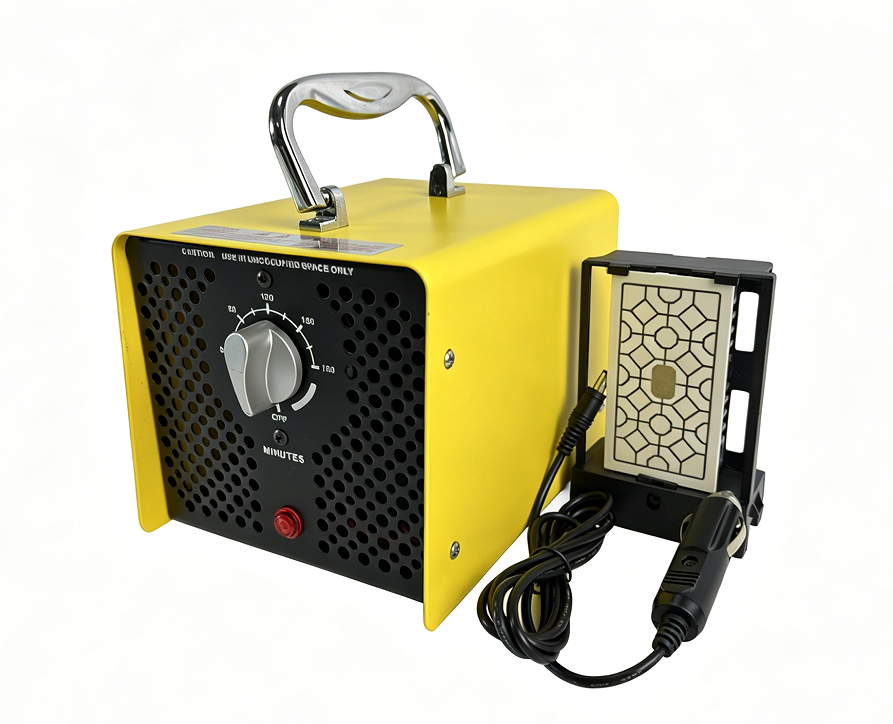
The difference between a unit that keeps running for ten years and one that dies in the first quarter often comes down to what is inside. Not the flashy features, but the components most people never see—capacitors rated for double the expected voltage, connectors with thicker gold plating, and silicon specified for industrial temperature ranges, not just commercial. When design teams cut corners here, the failure shows up months later, not at first power-on.
Thermal design quietly decides lifespan more than any single part choice. A unit that runs hot, especially near electrolytic capacitors or power semiconductors, is already on a countdown. Decade-long designs typically place the hottest components away from the most heat-sensitive ones, add enough copper or heat sinking to keep junction temperatures low, and sometimes accept a slightly larger enclosure for the sake of airflow. That trade-off is exactly what separates field-proven hardware from prototypes that only work in an air-conditioned lab.
Component derating and supply chain discipline matter just as much. Using a part at 50% of its rated power or voltage is not glamorous, but it is the single most repeatable way to extend service life. Long-lived units also tend to avoid exotic, single-source components that get discontinued or quietly changed by the vendor. Instead, they rely on parts with a track record, locked-down revisions, and enough margin that inevitable variation in manufacturing does not push anything past its limit.
Efficiency Tests Worth Running Before You Commit to a Purchase
Most people assume a higher price tag or a familiar brand means better performance, but the real test is how a product handles your least convenient moments. Before you hand over your card, try a simple time trial: load a heavy file, boil a full kettle, or wash a baked-on pan. If the task forces you to wait around, fidget, or find a workaround, that delay will repeat every single week. Efficiency is not about peak specs on a glossy sheet; it is about whether the tool finishes the job before your patience runs out.
Another overlooked check is the idle cost. A device might sprint through a task but still drain power, data, or battery while sitting unused. Plug it into a meter if you can, or check the standby draw listed in the fine print. Compare that against how often you will actually use it. A gadget that delivers fast results twice a month but sips electricity all day can end up costing more per completed chore than a slower, simpler alternative.
Finally, run the daily friction test before committing. Count the steps between picking up the item and getting the outcome you want. Do you need to preheat, calibrate, sign in, update firmware, or swap out accessories? If the setup outlasts the actual task, the efficiency gains vanish. The best purchase is the one that reduces your total time from intent to result, not the one that merely looks impressive in a demo.
Maintenance Habits That Add Years to an Ozone Generator's Life
Ozone generators are only as reliable as the routine you build around them. The simplest habit that pays off years later is checking the air intake and outlet before every cycle. Dust, hair, and fine debris collect on the mesh screens faster than most operators expect, and once airflow drops even slightly, the corona cell works harder to produce the same ozone output. That extra strain doesn't show up as a sudden failure—it quietly accelerates electrode wear and shortens the dielectric's lifespan. Make a quick visual inspection part of your pre-run checklist: clear the screens with a soft brush or compressed air, and you'll keep the internal temperature stable and the discharge uniform.
Another overlooked habit is managing moisture at the inlet. Ozone generators dislike humid air, not because they can't run in it, but because water vapor encourages nitric acid formation inside the discharge chamber. Over time, this corrodes the stainless steel fittings and dulls the glass tube. If your unit sits in a basement or near a wash bay, add a simple desiccant dryer to the intake line. Change the desiccant beads when they shift color—waiting until they're fully saturated means you've already sent damp air through the cell. Even a small inline filter can double the interval between deep cleanings.
Finally, respect the cool-down period. Many users switch the generator off and immediately unplug or move it, trapping heat inside the housing. Those thermal cycles cause micro-cracks in the ceramic plates and loosen the high-voltage connections. Let the fan run for a few minutes after the ozone cycle ends, or simply leave the unit powered on standby if it has that mode. Think of it like letting a diesel engine idle before shutdown. Paired with a monthly wipe-down of the exterior vents and a quarterly check of the internal wiring for signs of arcing, these habits turn a typical three-year lifespan into seven or eight years of consistent output.
Matching Ozone Output to Room Size Without Paying for Excess Capacity
Many people assume a bigger ozone generator always works faster, but that logic falls apart when you look at actual room dimensions. A unit rated for 5,000 square feet running in a 200-square-foot office doesn't just waste electricity—it can push ozone levels into uncomfortable territory long before the timer shuts off. Start by measuring the cubic footage of the space, not just the floor area, since ceiling height changes how much air the ozone has to treat. Then check the manufacturer's output rating, usually listed in milligrams per hour, and match it to that volume rather than guessing based on marketing labels.
A practical shortcut is to aim for roughly 10–15 milligrams of ozone per hour for every 100 cubic feet of room volume when you're doing routine odor removal. So a 1,000-cubic-foot bedroom only needs a generator putting out around 120–150 mg/h. Going beyond that doesn't speed up the job proportionally—ozone has a saturation point where extra output just lingers longer, forcing you to wait more hours before re-entering. If you only use the machine occasionally for a small bathroom or closet, a compact unit with adjustable output saves you from paying for capacity you'll never tap.
Look for models with a dial or multiple settings instead of a single fixed blast. That way you can turn it down for a car interior or pantry, then crank it up for a basement or garage. Also consider how often you'll use it: a low-output unit running an extra hour in a medium room often costs less upfront and per use than a monster machine you run for ten minutes and then have to air out for half a day. Matching the output to the space isn't just about saving money—it keeps ozone treatment predictable, safe, and practical without the headache of over-ventilating afterward.
Questions Worth Asking Before Signing a Long-Term Supplier Contract
Before you commit to a long-term supplier contract, dig into how the supplier handles disruption. Ask what happens if a key material doubles in price, or if their own upstream vendors fail. A vendor who can walk you through concrete contingency plans—alternate sourcing, buffer stock, or transparent renegotiation triggers—is far more valuable than one who just promises reliability. Also ask for references from clients who've been with them through a rough patch, not just during smooth sailing.
Financial stability is another area that rarely gets enough scrutiny. Request audited financials or at least a clear picture of their debt load and cash runway. A supplier on shaky ground might offer attractive terms now but could cut corners, delay shipments, or vanish entirely when the economy shifts. You want a partner whose survival doesn't depend on your next purchase order.
Finally, test how they handle mistakes before you're locked in. Ask for a specific example of a time they failed a client and what they did to fix it. Their answer reveals whether you're dealing with a defensive vendor or one that treats problems as shared risks. Long-term contracts amplify small misalignments, so pay attention to how they talk about pricing changes, quality disputes, and exit clauses.
FAQ
Pay attention to the dielectric material quality, the cooling design, and whether the supplier provides honest load-test data instead of marketing claims. A supplier that keeps wear parts in stock and backs the reactor with a multi-year warranty usually signals a machine built for the long haul.
Electrodes made from high-grade stainless steel or ceramic-coated alloys resist oxidation and pitting far longer than cheaper metals. The material choice directly influences how often you replace the core, so a slightly higher upfront cost can avoid frequent downtime.
They run on optimized high-frequency inverters and tight gas gap control, which reduces wasted heat and lets more electrical energy convert into ozone. This means the unit can maintain the same output at a lower amp draw, which also reduces thermal stress on components.
Regularly replacing inlet air filters, keeping cooling fans or water lines clear, and checking for moisture buildup in the feed gas are the basics. It also helps to log voltage and ozone concentration weekly so small drifts get caught before they turn into expensive failures.
Ask for the ozone output per kilowatt-hour at your actual operating concentration, not just a peak number. Compare the grams per hour against the nameplate power draw under realistic feed gas conditions, and request a third-party test report if possible.
Water-cooled cells generally handle continuous duty better than air-cooled ones because they keep the dielectric temperature stable. Some designs use sealed liquid cooling loops that not only extend component life but also maintain consistent ozone production during long shifts.
Clean, dry feed gas prevents nitric acid formation and electrode fouling inside the reactor. Using an oxygen concentrator or a proper air dryer with dew point monitoring can add years to the generator, especially in humid environments.
Look for individually fused cells, modular construction that allows single-cell replacement, and robust pressure and temperature sensing. Budget models often cut corners with thin ceramics and minimal protection circuits, which leads to cascading failures when one part overheats.
Conclusion
A supplier's history often reveals what glossy datasheets leave out. Talking to past buyers about units that ran for years without arcing or electrode replacement gives you a clearer picture than any advertised ozone yield. Look for signs of honest engineering: ceramic or quartz dielectric tubes, properly sealed high-voltage connections, and cooling fans that are easy to access. These components are what keep a machine from burning out in its first season. Before committing, run a few simple tests—check the actual ozone concentration at the outlet with a calibrated meter, measure power draw against the claimed output, and run the unit for an hour to see if it overheats or drops production.
Maintenance matters just as much as initial build quality. Cleaning or replacing air filters, keeping the corona cell dry, and inspecting internal wiring twice a year can stretch a mid-range unit into a decade of service. Size the generator to your actual room volume rather than buying the largest model on the shelf; too much ozone leads to off-gassing headaches and wasted energy. Finally, before signing a long-term supply agreement, ask about replacement parts availability, realistic lead times, and whether the supplier offers on-site repair support or just a warranty card. A supplier who can walk you through a teardown or send a spare dielectric tube quickly is worth far more than one pushing a five-year contract with no local stock.
Contact Us
Contact Person: Paul Luo
Email: [email protected]
Tel/WhatsApp: 0086-19966314501
Website: https://www.lufutatech.com