
Triisopropanolamine Manufacturer Selection: What You Need to Know
2026-07-16
Selecting the right triisopropanolamine manufacturer can make or break your production process. With so many suppliers promising excellence, how do you cut through the noise to find a partner that delivers consistent quality and technical support? At HAISEN, we know that true reliability means more than just a competitive price—it’s about chemistry, commitment, and collaboration. Keep reading to discover the key factors you need to assess before making this critical decision.
Purity that powers your product, not just specs on paper
We go beyond the data sheets, chasing what actually reaches your product. Our approach strips away impurities that textbooks might tolerate but real performance won’t. The result isn’t a number you frame—it’s consistency your process can count on, batch after batch.
Forget the language of thresholds and minimums. We measure purity by how it behaves under pressure, inside your reaction, where it matters. This isn’t about meeting a certificate; it’s about removing the variables that keep you up at night.
When your product’s integrity is on the line, theoretical limits fall short. We deliver a purity with tangible impact—cleaner reactions, smoother scale-ups, fewer surprises. That’s the difference between a specification and a solution.
When consistency is non-negotiable: Reading between batch reports
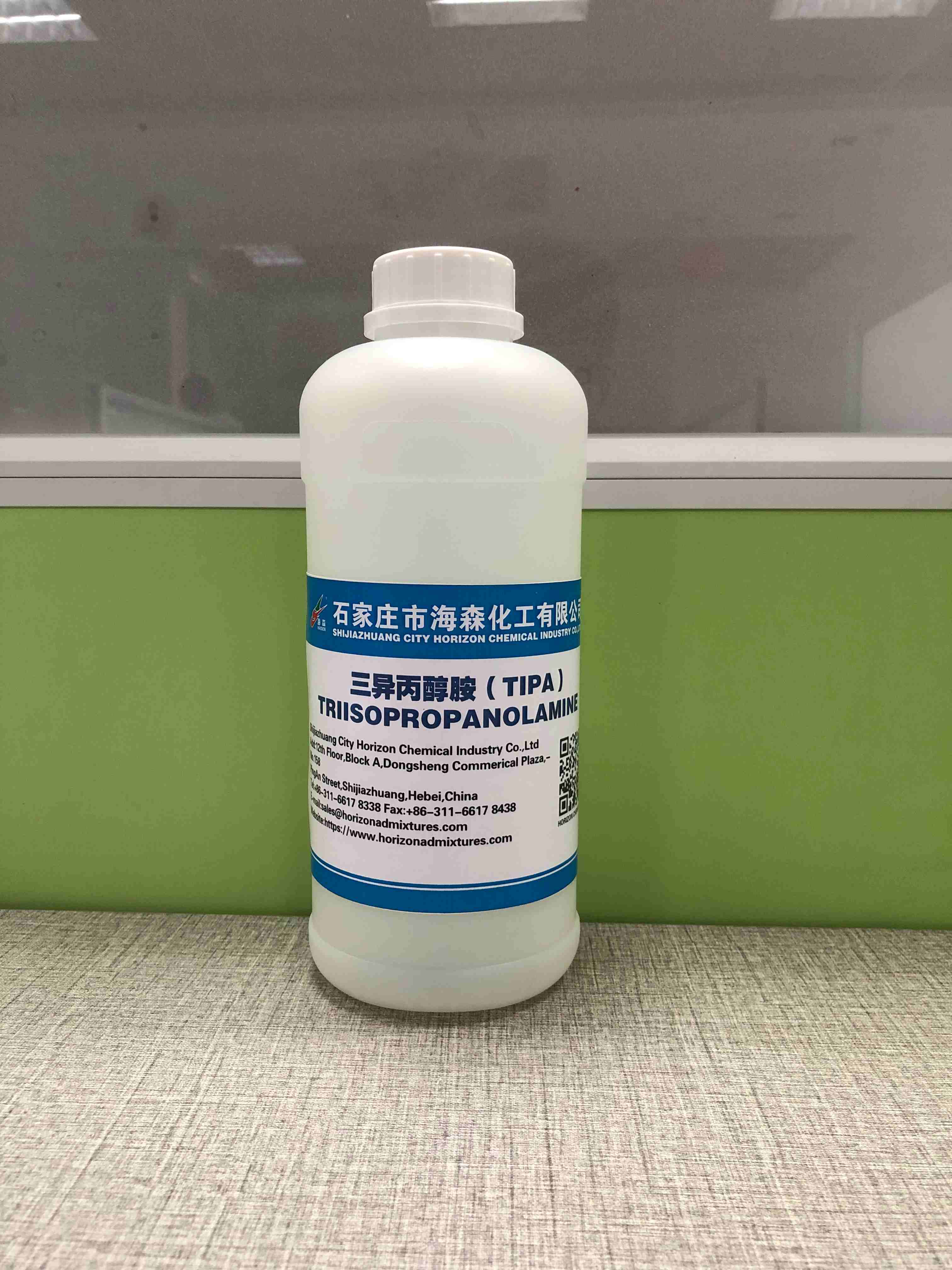
In a world where batch consistency is a deal‑breaker, relying solely on certificate of analysis documents can be risky. A batch report might look spotless on paper, yet subtle shifts in raw material quality or process drift can slip through unnoticed. That’s where reading between the lines becomes essential—not by doubting the data, but by cross‑referencing it with real‑world performance metrics and in‑process trend analysis.
True consistency isn’t just meeting the spec; it’s about understanding how a batch behaves under slight variations. For instance, a viscosity reading that falls within range might still signal a changing microstructure if you compare it against historical patterns. Smart teams build their own internal reference databases, tracking how parameters co‑vary over time. This turns a static report into a dynamic tool, flagging batches that are technically compliant but operationally different.
When non‑negotiable quality standards demand zero surprises, the real insight often hides in the margins of the report. It’s the second‑order signals—like a gradual change in impurity fingerprints or a shift in drying curve shapes—that separate a truly consistent process from one that merely passes tests. Embedding these heuristics into review cycles ensures that every batch doesn’t just look good on paper, but performs identically where it matters most.
Supply chains that don’t break when demand peaks
Most supply chains are designed for steady demand, but the real test comes when orders spike without warning. Companies that survive these surges do more than stockpile inventory—they build flexibility into every link. This means working with multiple suppliers across different regions, using modular production lines that can switch products quickly, and maintaining real-time visibility into inventory levels across the entire network. When demand suddenly climbs, these businesses can shift resources, reroute shipments, and bring backup partners online without missing a beat.
Dynamic demand forecasting has become the backbone of resilient supply chains. Instead of relying on historical sales alone, these systems pull in data from social trends, weather patterns, and even local events to predict where and when demand will hit. Machine learning models continuously update these predictions, allowing warehouses to reposition stock preemptively. One retailer, for example, moves cold-weather gear to northern distribution centers before a storm forecast triggers a buying frenzy—ensuring shelves stay full while competitors scramble.
Relationships often matter more than contracts during a surge. Companies that invest time in understanding their suppliers’ constraints and capacities can negotiate priority access when everyone else is fighting for the same resources. Some even co-invest in their partners’ production capabilities or share risk through flexible agreements. When a sudden spike in demand hits, these collaborative networks act as shock absorbers, distributing the load across multiple nodes instead of letting it crush a single point of failure.
Beyond the quote: Uncovering the real cost of a cheap TIPA source
When sourcing triisopropanolamine (TIPA), the headline price per ton often dominates the conversation. A supplier promising a significantly lower quote can seem like an obvious win, but this narrow focus ignores the less visible expenses that quietly accumulate throughout the production cycle. The true cost of a cheap TIPA source must be measured not at the purchase order, but in how consistently it performs under real-world conditions.
A lower grade or inconsistent TIPA can demand higher dosage rates to achieve the same grinding efficiency, steadily inflating raw material consumption. Additionally, impurities or formulation instability may accelerate wear on mill internals, causing unplanned downtime and premature liner replacement. When every stoppage chips away at throughput targets, the supposed savings turn into a net loss that no invoice can justify.
Chasing the lowest sticker price also introduces longer-term vulnerabilities. Suppliers operating on razor-thin margins often cut corners in logistics, quality control, or technical support, leaving buyers exposed to batch variability or sudden supply gaps. These disruptions cascade into missed delivery commitments and swollen production costs, quietly proving that the cheapest source very rarely yields the cheapest cement.
Technical know-how that stops issues before they reach your line
Many production hiccups never show up on the floor because they’re caught in the design phase. By dissecting failure modes and running component-level stress tests long before assembly, our engineers spot the weak links that others miss. It’s not about reacting faster; it’s about building in resilience from the first sketch.
This kind of deep technical insight comes from years of tracking how materials behave under real-world conditions. We maintain a living library of edge cases, material interactions, and tolerance thresholds that standard checklists overlook. When a new design lands, it gets cross-referenced against that database, surfacing risks that would otherwise only appear after thousands of units roll off the line.
The result is a line that runs with far fewer interruptions, but more importantly, a customer who doesn’t have to deal with our problems. That quiet reliability? It’s engineered in—not patched on after the fact.
Partnerships that stretch from the lab bench to your finished goods
Our collaborations aren’t confined to a single stage. They begin where ideas are born—at the lab bench—and carry through every step until your product is packaged and ready to ship. We work side by side with your R&D team, translating early concepts into scalable realities without losing the inventive spark that started it all.
From raw material sourcing to final quality checks, our partners get a transparent view of the entire journey. This means fewer surprises, faster problem-solving, and a product that consistently meets your standards—whether you’re scaling up from grams to tonnes or navigating complex regulatory landscapes.
What sets these partnerships apart is a shared commitment to the end goal. We’re not just a supplier; we’re an extension of your team, present at every milestone, adapting to challenges, and celebrating breakthroughs. That’s how we help turn bench-scale discoveries into finished goods you’re proud to put your name on.
FAQ
Triisopropanolamine is widely used as an emulsifier, stabilizer, and pH adjuster in cement grinding aids, coatings, and metalworking fluids. Its ability to improve dispersion and reduce energy consumption makes it essential for high-performance products.
Request detailed production data, tour their facility if possible, and ask for client references. Consistent supply chains depend on a manufacturer’s raw material access and backup systems. Look for ISO certifications that indicate process maturity.
Yes, impurities like secondary amines or residual solvents can compromise your formulation. Always require a certificate of analysis with every batch. Third-party testing before shipment adds an extra layer of protection.
Good manufacturers help optimize your usage rate and troubleshoot compatibility issues. They should offer formulation guidance, not just a spec sheet. This expertise can save you months of trial-and-error.
Look for REACH compliance, OSHA safety data clarity, and responsible waste management. Some producers now use bio-based feedstocks or closed-loop water systems, which can reduce your downstream compliance burden.
Lock in pricing models tied to transparent raw-material indexes rather than spot fluctuations. Diversify your supplier pool to avoid dependency, but ensure each one meets a stringent quality baseline you set.
Neglected maintenance, lack of real-time quality checks, or using unsealed containers often signal poor discipline. Ask how they isolate batches and track deviations—these processes reflect their attention to detail.
Often yes, if they focus exclusively on amines and use advanced process control. Smaller reactors can allow tighter parameter management. Check their traceability records and how long they've served demanding industries like pharmaceuticals.
Conclusion
Selecting the right triisopropanolamine manufacturer goes far beyond comparing data sheets. Purity isn't just a number on a certificate—it's what ensures your final product performs as intended, batch after batch. When consistency is critical, digging into batch reports reveals whether a supplier truly delivers uniformity or just meets minimum specs. A slight variation in amine content can derail entire production runs, so partnering with a producer that treats every shipment as a test of trust pays dividends.
Yet quality alone isn't enough if the supply chain crumbles when demand peaks. A cheap quote often hides hidden costs: delayed deliveries, off-spec material that requires rework, or the expense of qualifying a new source mid-project. The best suppliers bring technical depth, catching potential issues before they hit your line, and view the relationship as a collaborative partnership from lab trials to full-scale manufacturing. This holistic approach transforms a simple ingredient purchase into a strategic advantage, ensuring your operations stay resilient and your products stay competitive.
Contact Us
Contact Person: Sam Lee
Email: [email protected]
Tel/WhatsApp: 86-311-6617 8338
Website: https://www.horizonadmixtures.com/